
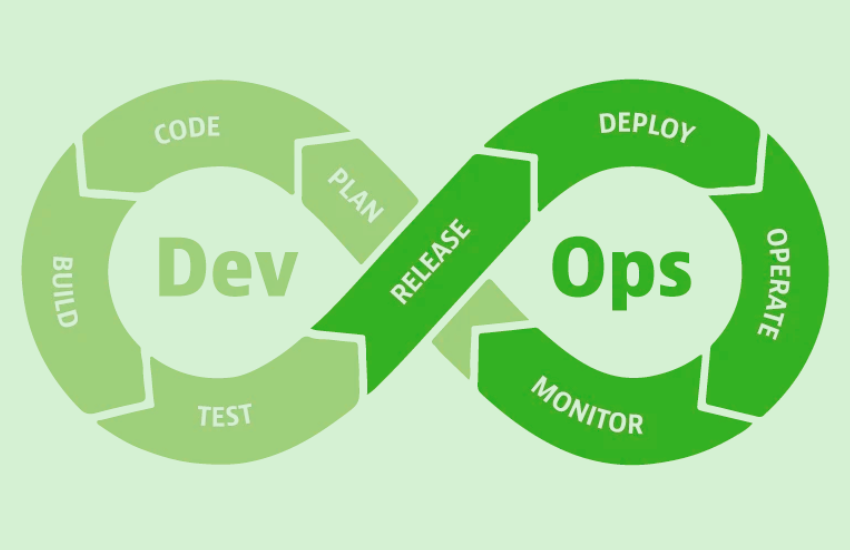
DevOps is not a job title. It is a practice.
It covers both development and operations – building the application and knowing how it runs. For Pega professionals, the development side is usually comfortable. The operation side is where most people have gaps. And closing those gaps makes you a significantly more valuable engineer.
I have been doing Pega DevOps work for the past few years. Here is the learning path I followed and what I would recommend to anyone starting this journey.
Start With Linux Basics
Most enterprise Pega applications run on Linux. Not Windows. Linux.
If you have only ever used Pega on a Windows personal edition, the Linux environment can feel unfamiliar. But it is not complicated once you understand the basics. Linux machines work the same way as your laptop – they have folders, files, processes. You log in, navigate to the right directory, read log files, check running processes.
Go through a Linux administration fundamentals course. Red Hat Linux is a good starting point. You do not need to get certified – just understand the commands, how processes work, and how Java applications like Pega are managed on a Linux server. Once you have those basics, the intimidation disappears.
Read the Pega Installation and Upgrade Guides
Pega Community publishes detailed installation and upgrade guides. Read them.

You will encounter terms you do not recognise – load balancers, F5, clustering, JNDI. Do not skip past them. Google each one. These are not Pega-specific concepts – they apply to all Java enterprise applications. Once you understand what a load balancer does, what a cluster is, how sessions are managed across nodes, you will follow any infrastructure conversation about your Pega application.
You do not need to master every concept. You need to understand enough to know what people are talking about and ask the right questions.
Learn Containerisation
VM-based deployments are being replaced by containers. This is happening everywhere, and Pega is no exception. Organisations are containerising their Pega applications and deploying to cloud infrastructure.
Start with Docker. Docker is the most widely used container engine and the right entry point. Understand what a container is, how images work, how containers differ from VMs. Then move to Kubernetes – specifically how applications are orchestrated and managed at scale.
For learning, I recommend Mumshad Mannambeth’s courses on KodeKloud. If you are a complete beginner, that is where I started and it made everything click. There is also a Kubernetes book I found genuinely useful if you prefer reading over video.
Once you have Docker and Kubernetes basics, look into AKS or EKS depending on which cloud platform your clients use. And if your projects use Argo for Kubernetes-native orchestration, that is worth learning too.
Why This Matters for Your Career
Pega developers who understand how their applications actually run – the infrastructure, the containers, the deployment pipelines – are rare. Most developers stay in Dev Studio and never look at the server side.
That gap is an opportunity. Clients are actively looking for Pega DevOps engineers. If you can own not just the development but also the deployment and operation of a Pega application, your value increases significantly.
And honestly – it stops being boring. Learning how a Pega application runs on a Linux cluster, understanding the JVM, tracing performance issues at the infrastructure level – it is a completely different kind of problem solving from building sections and activities.
Watch the Full Discussion
In the video below I talk through my full DevOps learning journey – from my first Linux course to containerisation to Kubernetes – with specific course and book recommendations for each stage.
Start somewhere. Linux basics takes a few hours. Reading an installation guide takes a weekend. Docker fundamentals takes a week. The investment is small. The returns are significant.